
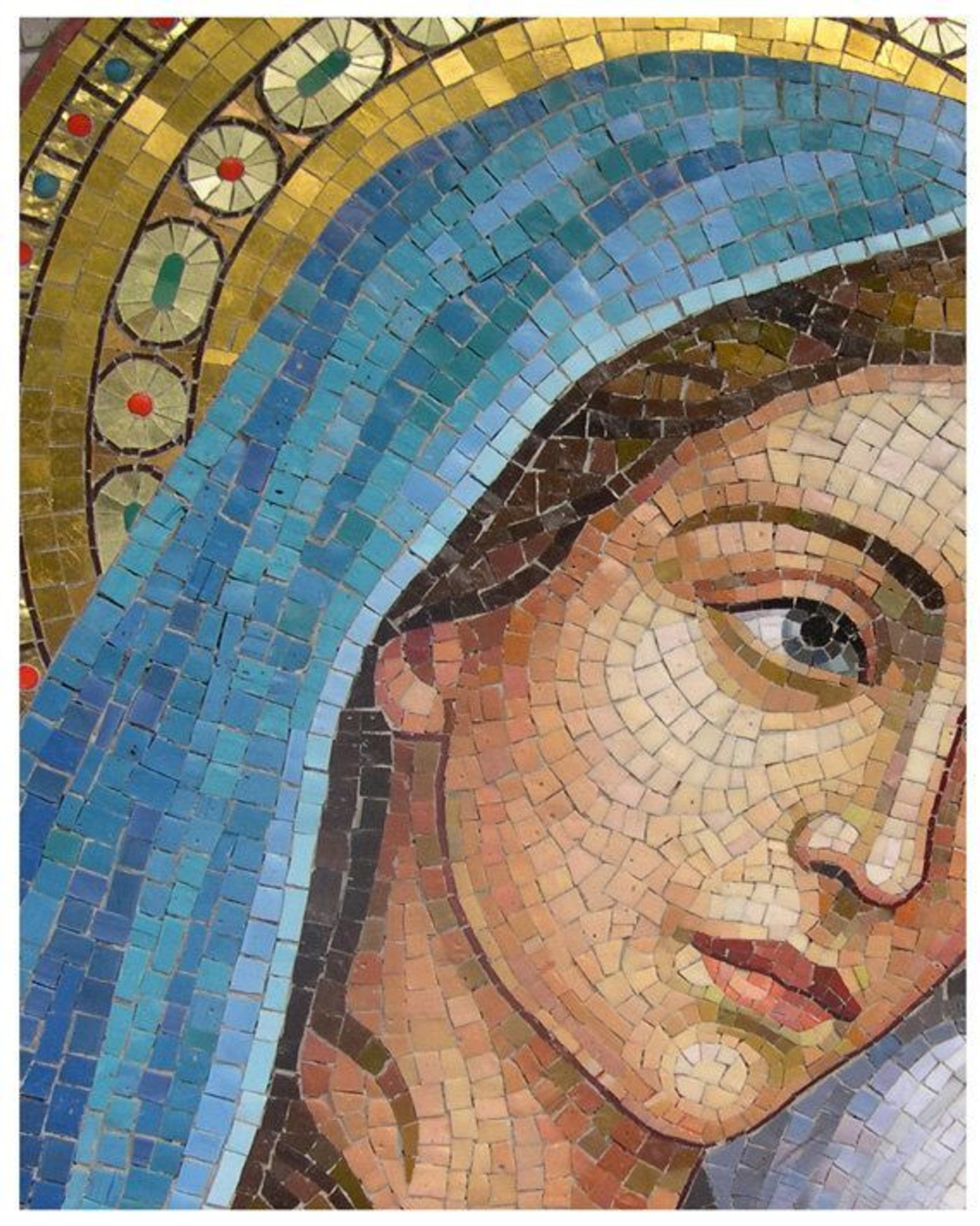
Mosaic is not just decoration made of pieces of glass, stone and smalti. For centuries makers have built meaning into it: through images, signs, colour and even the material itself. Knowing the symbolism helps you “read” ancient mosaics and build your own work with intent. In this article we look at the main symbols in mosaic, the role of colour and material, hidden messages in patterns, and how to use all this in your own project.
What symbolism in mosaic means
Symbolism is the use of images, signs and colours to convey ideas, beliefs and cultural values. In ancient and Byzantine mosaics, colour, form and geometry served more than aesthetics: they were a code of doctrine, mythology and social ideas, understood by people of their time. Mosaics were often made for the sake of a message, not just an image. Later, makers added new layers, from allegory to the modernist experiments with abstraction of the 20th and 21st centuries.
The main kinds of symbols
Religious symbols
Christian mosaics often feature the cross, fish, dove, lamb, grapevine and peacock. The fish is one of the oldest Christian symbols: the Greek word “ichthys” was read as an acronym for the name of Christ. The peacock, from the ancient belief that its flesh does not decay, became a sign of immortality; the vine, an image of Christ and the Eucharist; the dove, of the Holy Spirit and peace. The “Good Shepherd” scene in the Mausoleum of Galla Placidia in Ravenna is a textbook example of how a biblical image becomes a symbol of care and salvation.
Nature motifs
Flowers, leaves, birds and animals symbolise life, renewal and the harmony of the world. In Roman mosaics an abundance of nature’s gifts, such as fruit, fish and game, spoke of prosperity and the hospitality of the house.
Geometric patterns
Circles, squares and spirals embody eternity, unity and the cycles of nature. Roman makers loved labyrinths, guilloche braids and meanders: the endless line of the ornament was linked with the idea of infinity and the protection of a space. This language of geometry in stone is covered in detail in the article “The Art of Cosmatesque”.
Mythological images
Roman mosaics with gods, heroes and mythical creatures used symbols tied to power, fate and the forces of nature: Neptune and the sea triumph, Dionysus and the feast, Orpheus taming the beasts with music.
The language of colour
- Gold is divine light, eternity and holiness. The gold background of Byzantine mosaics lifts the image beyond earthly space.
- Purple is the colour of imperial power: in the mosaics of the Church of San Vitale in Ravenna, Emperor Justinian and Empress Theodora are shown in purple robes.
- Blue is sky, depth and calm, spirituality.
- Red is energy, passion, sacrifice.
- Green is nature, growth and renewal.
Cool shades are usually associated with clarity and spirituality, warm ones with earthly warmth and vital energy.
Material as symbol
Stone, glass and smalti are not just carriers of colour: they carry meaning themselves. Stone speaks of antiquity, strength, earth and time. Glass speaks of transparency, light and movement. Smalti adds shimmer and a lively play of light that changes with the lighting and the viewpoint. A skilful combination of materials becomes a code that the viewer reads not at once but through context and experience.
“Hiding places”: hidden messages in mosaic
A hiding place in a mosaic is a deliberately built-in layer of meaning that is not revealed at first glance: from a particular angle, in particular lighting, or in the context of the artist’s story. These are the techniques used to achieve it:
- Play of light. Tesserae set at different angles, or areas of gold smalti, “switch on” only in certain lighting, and the image changes as the viewer moves.
- Repeating a motif at different scales. A pattern repeated in large and small format becomes a key to interpretation, available to whoever sees the whole composition.
- Contrast of textures. Polished stone next to a matt surface or hand-cut smalti sets off a special element that the viewer notices at the level of feeling.
- Details up close. Tiny inclusions, inscriptions, makers’ signatures and symbols visible only from close range, merging into the background from a distance.
- Andamento. The direction of the rows can itself lead the eye to the main symbol of the composition.
Examples of symbolism in famous mosaics
- Hagia Sophia in Istanbul : Byzantine mosaics with crosses, angels and saints, where colours, poses and the gold background convey divine majesty.
- Ravenna : the mosaics of the Mausoleum of Galla Placidia and San Vitale, where religious and state symbolism intertwine.
- Pompeii : domestic and mythological scenes, including the famous inscription “Cave canem” (“Beware of the dog”) at the entrance to a house.
- Modernist mosaics of the 20th century often turn to abstract symbols, expressing ideas of freedom and creativity.
How to read symbols in a mosaic
- Pay attention to the context: the place and time the mosaic was made.
- Find the repeating elements and colours and think about what they might mean.
- Study the history of the culture or religion in which the work was created.
- Look closely at the details: sometimes the most important symbols are in the smallest pieces.
Symbolism in your own work
Symbols make a mosaic layered: the viewer sees a beautiful image, and whoever knows the language of signs sees a message too. A few tips:
- Start with an idea: what should the work say? The choice of image, colour and material depends on it.
- Use the material as part of the meaning: gold for light and the sacred, stone for the theme of time and memory, glass for lightness.
- Remember the cultural context: the same symbol is read differently in different cultures. Avoid signs that could be misunderstood or hurt viewers’ feelings.
How to try it yourself
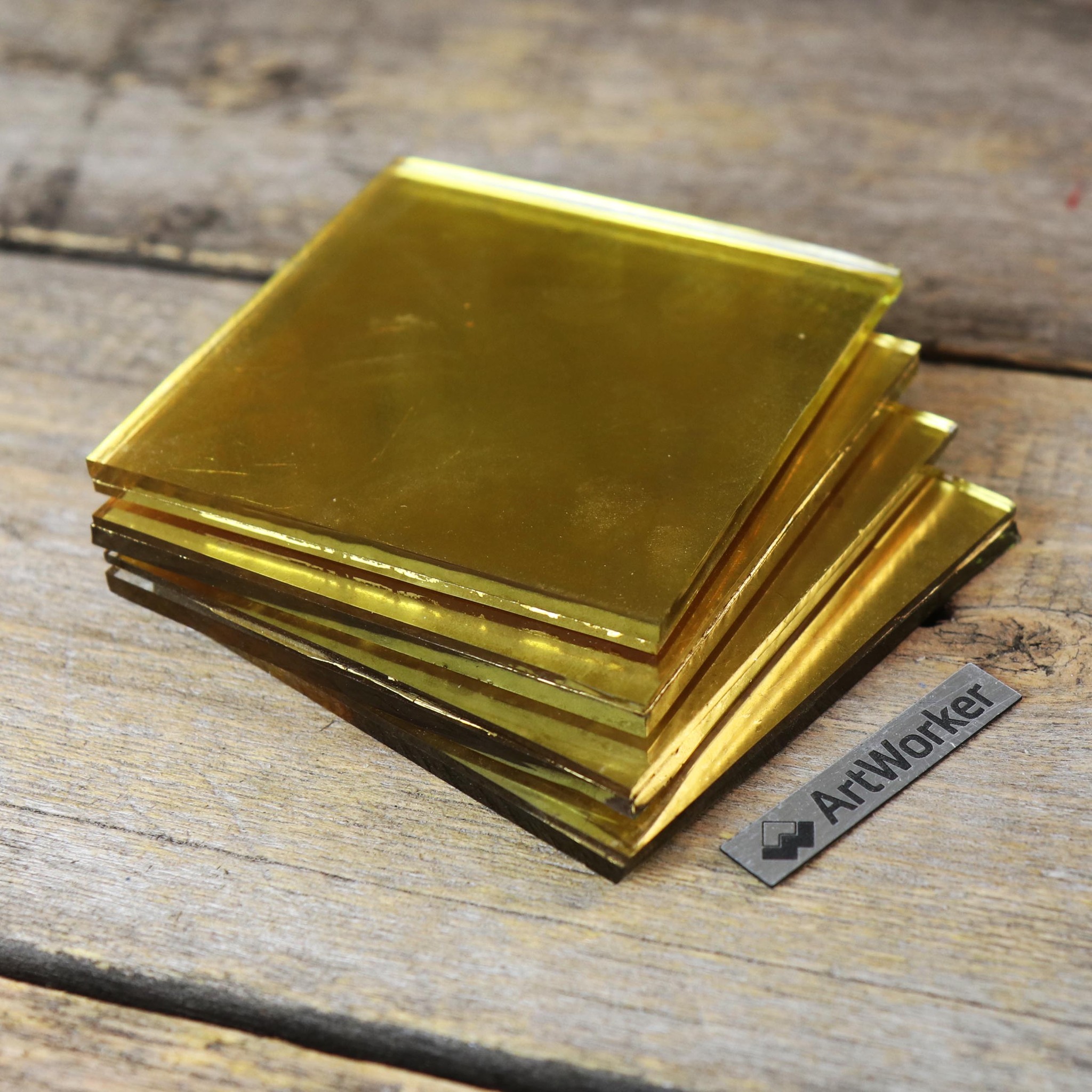
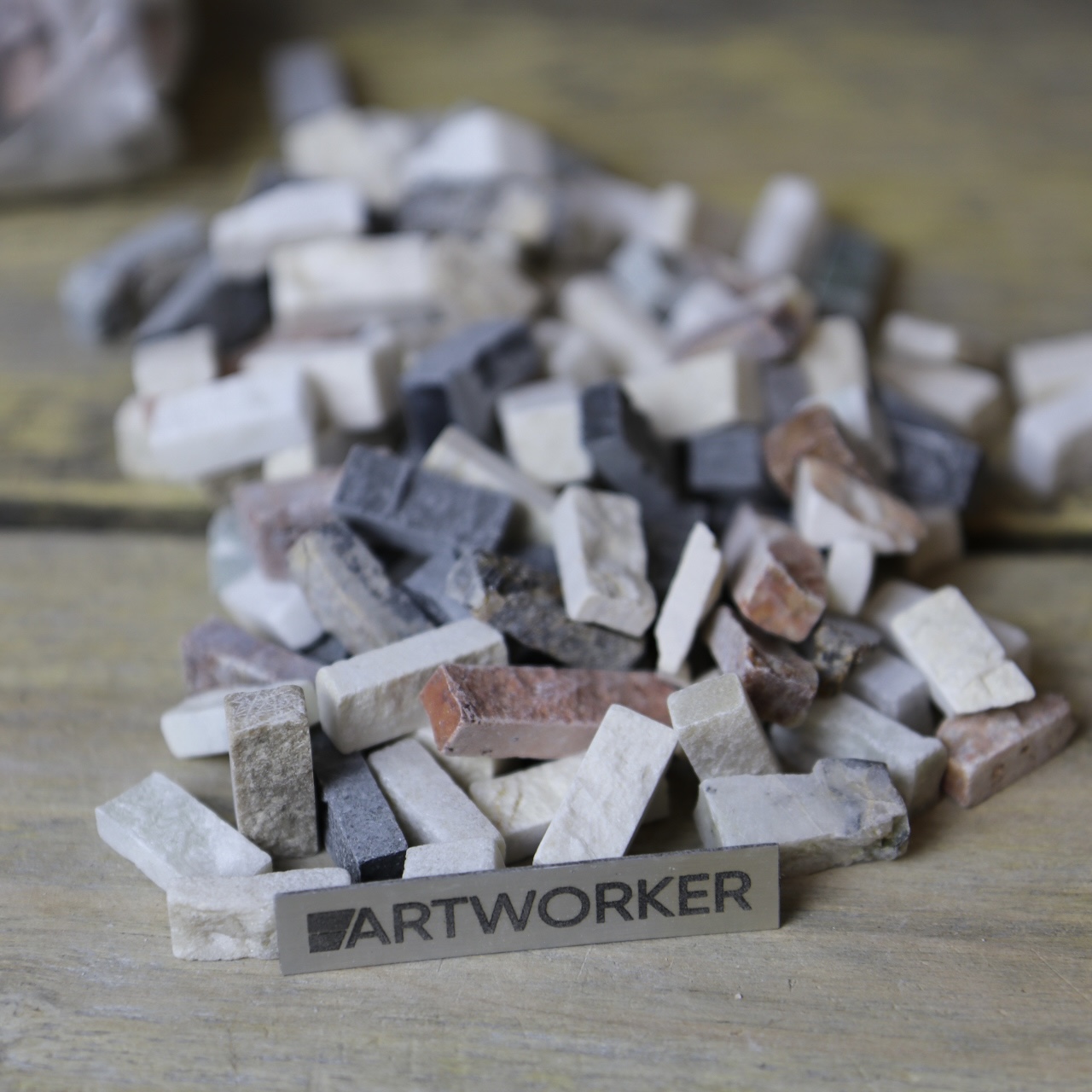
To get a feel for the language of colour and material, make a small symbolic piece, for example a sign on a gold background or an ornament in stone. The photos show modern materials from our shop, not historical ones.

What you will need
- Smalti for mosaic and gold smalti
- Natural stone
- Stained glass
- Courses and workshops — if you want to learn to turn an idea into mosaic
Frequently asked questions
Why do Byzantine mosaics have a gold background?
Gold symbolised divine light and eternity. Gold smalti also shimmers and changes as the viewer moves, so the image seems to glow from within. More in the article “Gold smalti”.
What does the fish mean in Christian mosaic?
It is one of the oldest Christian symbols: the Greek word “ichthys” (fish) was read as an acronym for the name of Christ.
Can I use symbols in a mosaic for the home?
Yes. Choose signs whose meaning is close and clear to you, and consider the cultural context: the same symbol is read differently in different traditions.
Mosaic is a language that carries human ideas and feelings across the centuries. Look closely at the details and you will discover a whole world of hidden meanings.


